


Why Free Play Matters: Less Playtime and What You Can Do
Research: free play is under pressure
You see it everywhere: children are spending more time indoors and their screen time is increasing. In the Netherlands, research by Jantje Beton shows that 6- to 12-year-olds play outside for an average of less than seven hours per week, which is about 2.5 hours less than two years ago. The number of children playing outside daily has even halved since 2022. Although we know that free play is important, little is changing.
International data paint a similar picture. In the United States, for example, according to an MIT analysis, children now play unstructured outdoors 50% less than in the 1970s. They spend an average of only 12.6 minutes per day in vigorous physical activity and spend more than ten hours sitting. Furthermore, free play is often traded for organized activities, homework, or screen time. The American Academy of Pediatrics emphasizes that at least sixty minutes of free play per day is essential for healthy development, but achieving this goal is becoming increasingly difficult.
Why free play is so important
Physical and cognitive growth
Free play isn't just fun; it's essential for physical and mental development. Unorganized, active play helps children stay fit and combat obesity. It strengthens muscles, improves balance and coordination, and stimulates the development of brain pathways. Research shows that children who have more free time at school exhibit better behavior and academic performance.
Social and emotional skills
In a free play environment, children learn to cooperate, solve problems, and compromise. It offers opportunities to develop empathy, regulate emotions, and build self-confidence. The American Academy of Pediatrics links a lack of unstructured play to an increase in depression and anxiety. Through free play, children learn to assess risks, cope with setbacks, and become resilient.
Creativity and self-development
Free play provides space for imagination. Children can create their own worlds, make up rules, and invent stories. This encourages divergent thinking and creative problem-solving. Parents often find that their children are calmer, happier, and more independent after an afternoon of free play.
Soft play and play benches: creating adventures indoors
Not all parents have a garden or a safe street to play in. However, that doesn't mean children miss out on their exercise and playtime. Soft play equipment and modular play benches are specially designed to provide a playful and safe indoor environment.
What is soft play?
Soft play refers to soft climbing blocks, mats, tunnels, and other play elements made of foam rubber with a sturdy cover. They are colorful, lightweight, and easy to move. The goal is to encourage children to climb, crawl, and build safely. According to Jolly Heap, a soft play supplier, such play environments offer rich sensory stimulation: different textures, bright colors, and sounds stimulate the senses. Children practice their gross and fine motor skills by running, balancing, and grasping objects.
Soft play also encourages social interaction and language development as children play, share, and communicate together. It also gives them the opportunity to push boundaries and explore risky play in a safe environment, which builds their self-confidence and problem-solving skills.
The power of gaming benches
A play bench or play couch is a modular children's bench made of loose cushions and mats. They're ideal for small spaces and offer endless possibilities. The Leo Mat blog emphasizes that a play bench encourages imaginative play; they can transform it into a rocket, fort, or restaurant, for example. It also promotes "risky play" in a safe way, as children can climb or jump without injury. Play benches also encourage social interaction; children can build and play together or snuggle up to a parent. As an added bonus, they're a comfortable spot to relax or read a book.
What are some products that can encourage free play?
You might be wondering what supplies you need to truly let your kids play freely. At Lomamo, we have a whole range of items to help children dream up their own adventures. Here are a few of our favorites:
- Shappy Play Sofa – Original: This modular play bench transforms into rockets, huts, slides, or anything your child can imagine. The soft cushions encourage climbing, rolling, and building, and grow with your child's every step.
- Shappy Arches – Corduroy: Loose corduroy arches that your child can use as a bridge, tunnel, or seesaw. Perfect for practicing balance and letting their imaginations flow.
- Soft Play Set – Little Crawler: a collection of soft foam blocks for early climbing and crawling. This set helps develop gross motor skills and provides a safe play area for little explorers.
- Soft Play Set – Explorer: A comprehensive set with a variety of shapes and colors for stacking, climbing, and sliding. Stimulates balance, coordination, and endless open-ended play.
With these products, you create a play space where children make their own rules, collaborate, or explore independently. They encourage movement, imagination, and social interaction – everything that makes free play so valuable.
Tips to encourage free play
- Provide space and time. Schedule daily moments without screens or structured activities. Let children decide what they want to do and don't interfere too much.
- Choose open-ended toys. Soft blocks, play benches, and modular elements stimulate creativity because they can be used in different ways.
- Combine indoors and outdoors. A play bench or soft play set is ideal for rainy days, but don't forget that fresh air, sunlight, and nature are essential for development.
- Play along or watch. Playing together helps you get to know your child better. But also give them space to experiment independently; this boosts their self-confidence.
- Encourage risky play within safe limits. A little climbing, jumping, and balancing helps children learn to assess risks.
Conclusion
Free play is under pressure, but it's essential for children's growth and well-being. Less outdoor play and excessive screen time negatively impact their physical health, mental well-being, and creativity. As a parent, you can change this by consciously creating time and space for play. Soft play materials and play benches offer safe and stimulating alternatives to indoor play, while outdoor play continues to stimulate and connect.
At Lomamo, we believe in the power of free play. Our high-quality soft play sets and play benches are designed to inspire children aged 1 to 6 to explore adventure, creativity, and movement. With our products, you're not just bringing a colorful piece of furniture into your home; you're investing in your child's development and happiness. What are you waiting for? Let them jump, build, and imagine—free play is the best thing there is.
Also in News
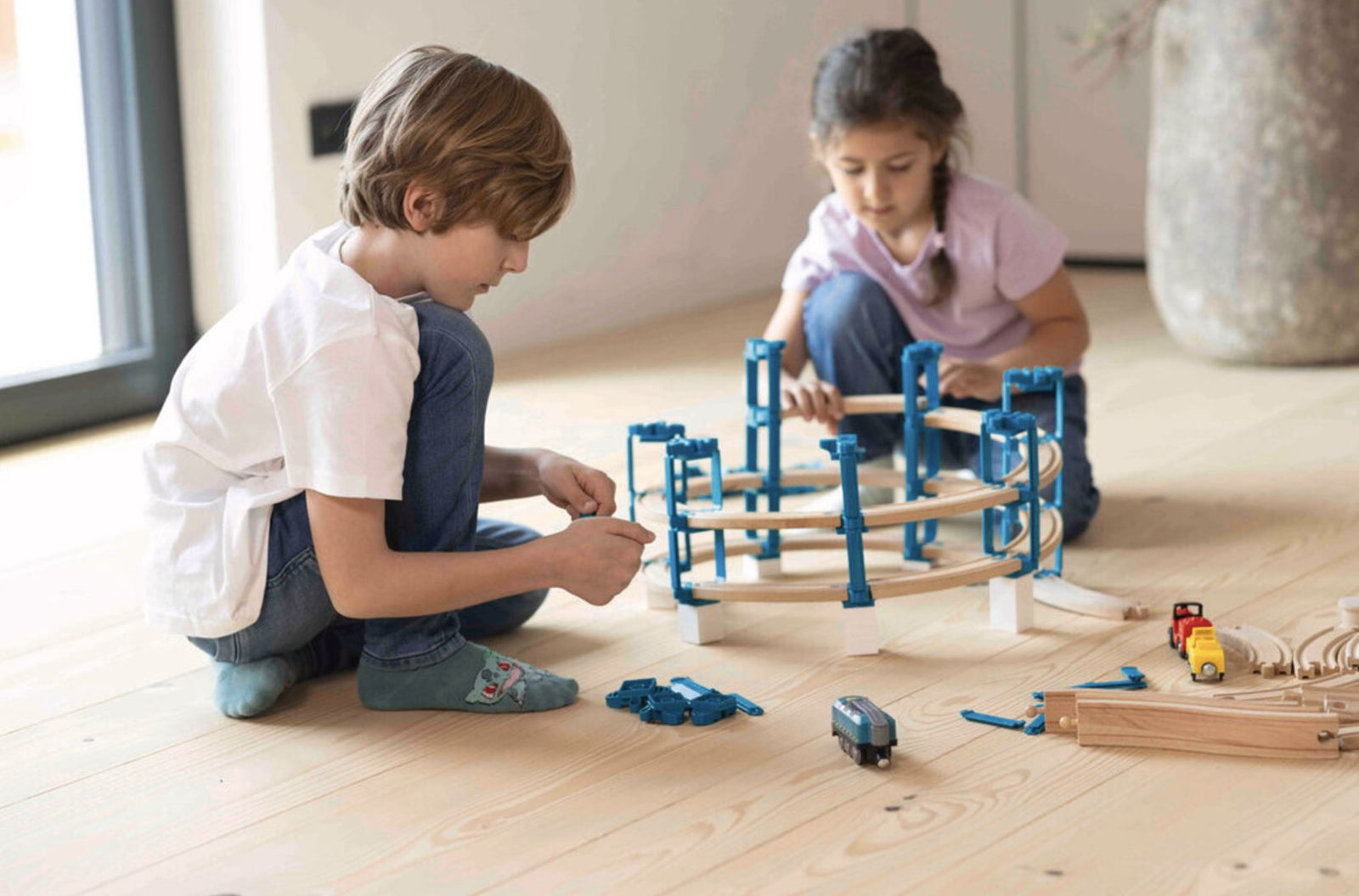

Yamba uitgelegd: zo bouw je een houten treinbaan de hoogte in
Hoe werkt Yamba en welke set heb je nodig? Ontdek Helix, Starter Helix, Wave-Up en de zes onderdelen waarmee je een houten treinbaan in de hoogte bouwt.
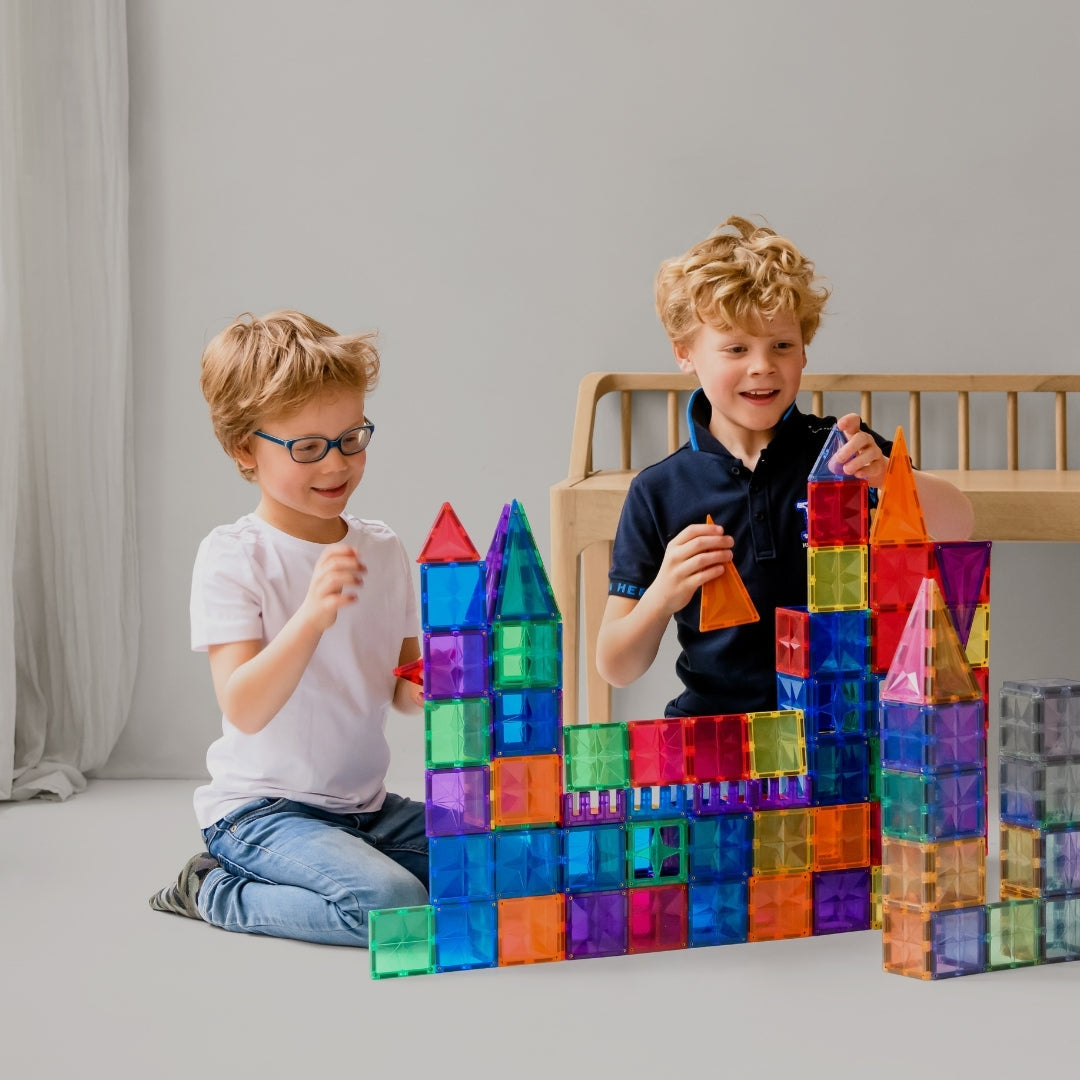

Bouwspeelgoed kiezen: Coblo of Yamba?
Coblo of Yamba? Vergelijk twee heel verschillende manieren van bouwen en ontdek welk bouwspeelgoed beter aansluit bij het speelgoed dat je kind al gebruikt.
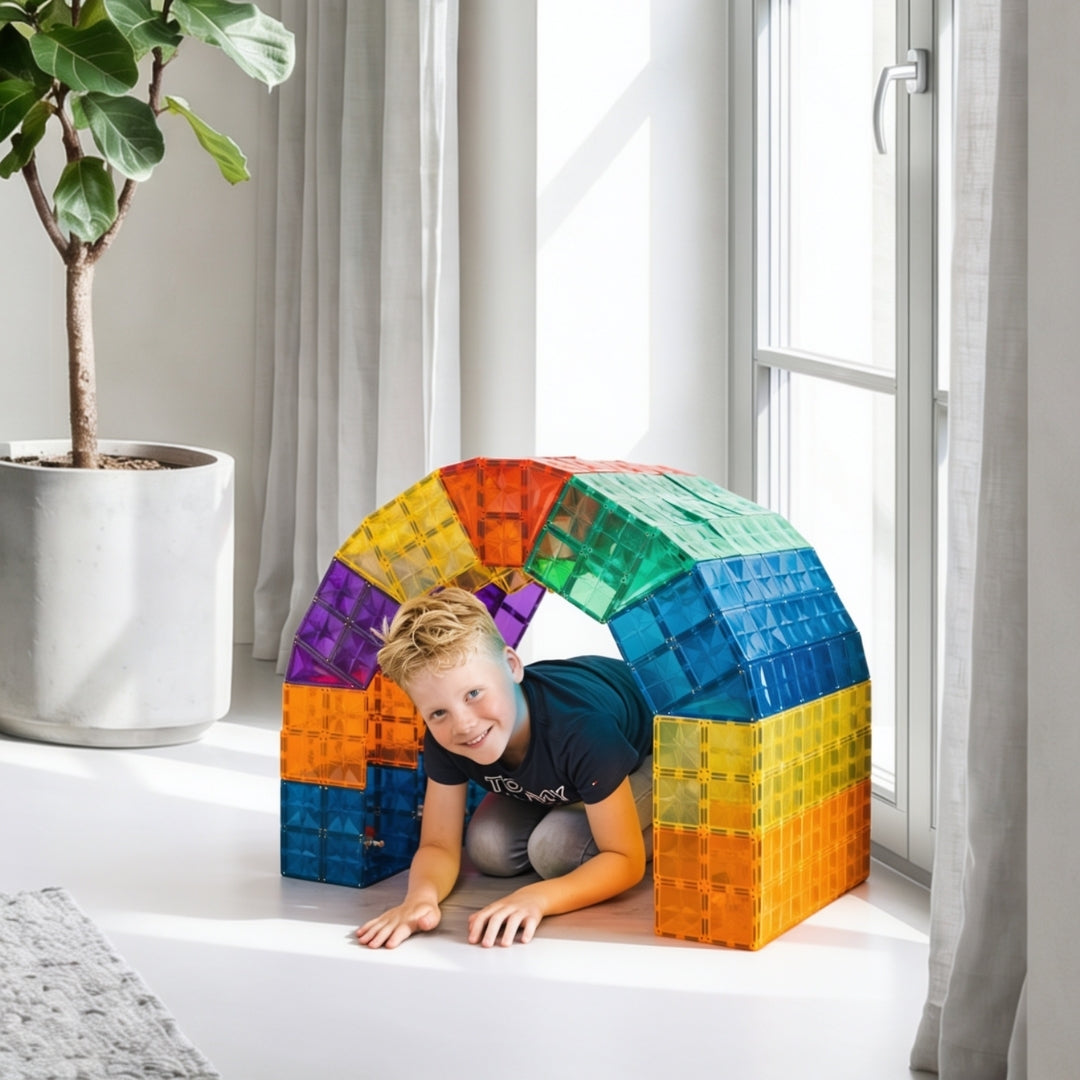

Coblo magnetische tegels: wat maakt het merk anders?
Wat maakt Coblo anders en welke set kies je? Vergelijk Classic, Pastel, Mini, knikkerbanen en uitbreidingen en lees waar je op let bij veiligheid en compatibiliteit.